Preparing Your Home for Foundation Work: Dust Control & Site Protection Tips
Undertaking foundation work on a home is a significant investment that requires careful planning and preparation. Beyond structural concerns, homeowners often underestimate the impact that construction can have on the interior and exterior of their property. Dust, debris, and accidental damage are common byproducts of foundation repairs or installations, and failing to address these risks can result in costly cleanup, potential damage to furnishings, and long-term maintenance issues. Being proactive in protecting your home ensures that construction proceeds smoothly while safeguarding your investment.
Preparing your home for foundation work extends beyond clearing a workspace; it involves implementing dust control measures, protecting landscaping, and securing vulnerable areas. Understanding best practices for site protection and dust mitigation not only improves the efficiency of construction but also minimizes disruptions to daily life. In this guide, we will explore practical strategies for homeowners to prepare their properties for foundation work, emphasizing real-world solutions that balance safety, cleanliness, and convenience. By adopting these methods, homeowners can ensure that their foundation project proceeds without unnecessary setbacks, ultimately contributing to a successful and stress-free renovation experience.
Understanding the Impact of Foundation Work on Your Home
Why Dust and Debris Are a Concern
Foundation work often involves excavation, concrete cutting, drilling, and soil movement—all activities that generate significant dust and debris. Fine particles can infiltrate your home through windows, doors, or HVAC systems, leading to respiratory irritations, damage to electronics, and dirt accumulation on surfaces. Larger debris can scratch floors, damage landscaping, or create hazards for family members and pets. Recognizing the potential scope of disruption helps homeowners take preventive measures before construction begins.
Common Areas Affected
Interior spaces near entry points, such as hallways, living rooms, and basements, are particularly vulnerable to dust infiltration. Outdoor areas, including gardens, patios, and driveways, can also experience soil displacement and debris accumulation. Identifying these high-risk zones enables homeowners to implement targeted protection strategies, such as temporary barriers, protective sheeting, or designated pathways for construction personnel.
Real-World Scenario
Consider a homeowner with a finished basement planning underpinning to stabilize the foundation. Without dust control measures, fine concrete particles may settle on furniture, carpets, and HVAC vents, necessitating extensive post-construction cleaning. Proactively installing temporary barriers and covering HVAC intakes can prevent this scenario, saving time and reducing frustration.
Preparing Your Home Interior: Dust Control Strategies
Seal Off Work Zones
Creating physical barriers between construction areas and living spaces is critical. Use heavy-duty plastic sheeting or zippered dust containment systems to seal off doorways and hallways. For long-term projects, consider temporary walls or partitions to isolate dust-generating activities. Ensure these barriers are secure to prevent accidental gaps where dust can escape.
Protect Flooring and Furniture
Cover floors with durable materials such as contractor-grade paper, plastic sheeting, or cardboard to prevent scratches and dust accumulation. Move furniture away from construction zones, or cover it with protective tarps. For electronics and sensitive equipment, consider storing items in sealed containers or relocating them to unaffected rooms.
Air Filtration and Ventilation
Installing high-efficiency air filters and using portable HEPA filtration units can reduce airborne particles during construction. Keep windows closed when possible, and avoid running HVAC systems that circulate dust throughout the home. Ventilation strategies, such as negative air machines, can direct dust out of the workspace and minimize its spread to other areas.
Best Practices
- Schedule cleaning before and after construction to maintain indoor air quality.
- Label protected areas clearly to prevent accidental entry by contractors or family members.
- Coordinate with the foundation contractor to ensure dust control protocols are followed consistently.
Outdoor Site Protection Measures
Landscaping Protection
Foundation work often involves heavy machinery, soil removal, and concrete pouring, which can damage lawns, flower beds, and trees. Lay down protective mats or plywood in high-traffic areas, and consider temporarily relocating delicate plants. Mulch and soil can be stored safely away from construction zones to avoid contamination or compaction.
Driveway and Walkway Safeguards
Driveways, walkways, and patios are prone to scratches, stains, and cracks from construction equipment. Protective coverings such as rubber mats or plywood sheets can distribute weight evenly and prevent surface damage. Ensure that delivery areas for materials like concrete or gravel are reinforced to avoid creating ruts or uneven surfaces.
Erosion and Water Management
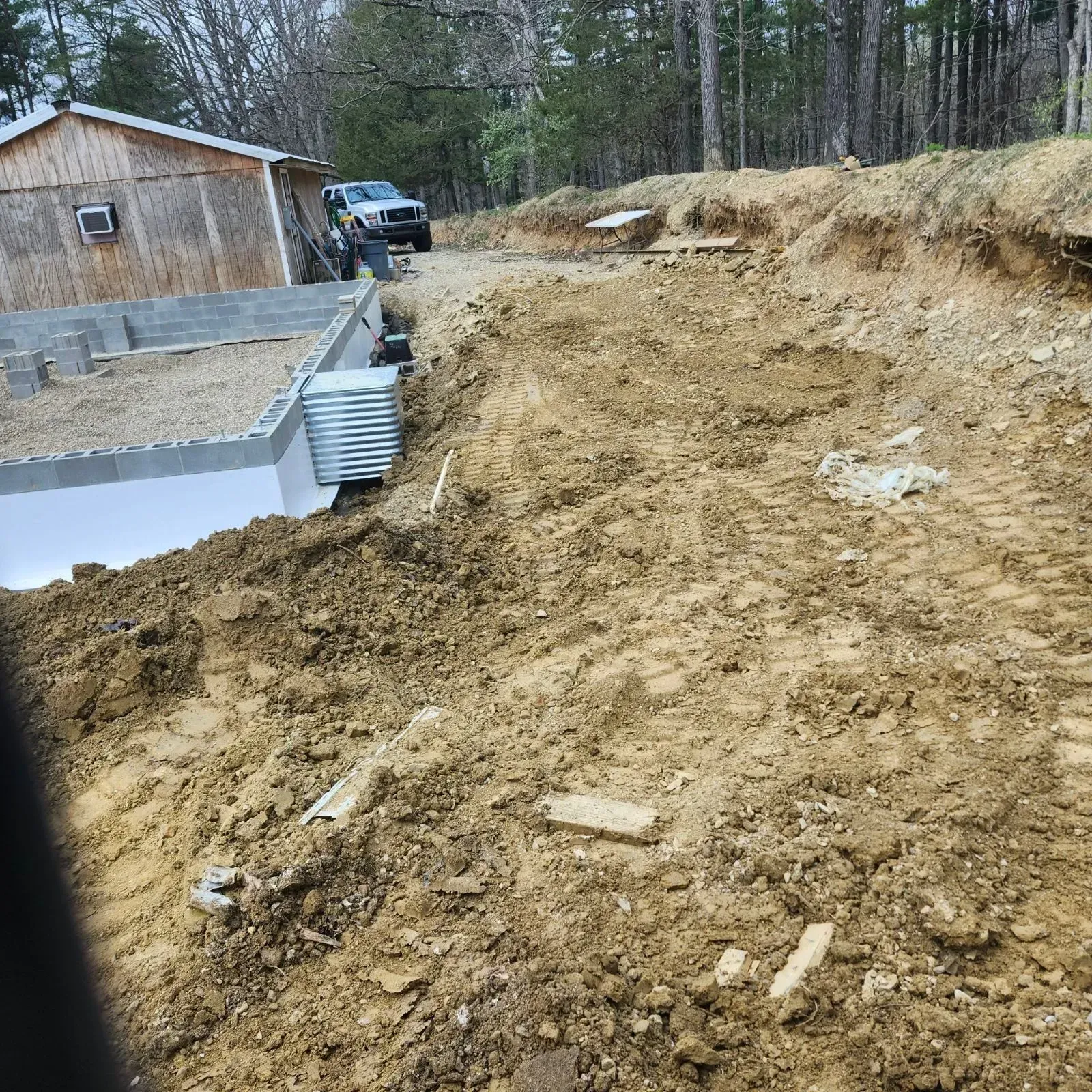
Excavation and soil movement can alter natural drainage patterns, increasing the risk of erosion or water pooling near your foundation. Installing temporary barriers, such as silt fences or sandbags, helps control water flow and soil displacement. Proper site grading during preparation can prevent costly post-construction landscaping repairs.
Real-World Example
In one case, a homeowner had extensive landscaping with delicate shrubs near the foundation. By laying plywood pathways and moving potted plants away from the work zone, they avoided damage when heavy machinery accessed the property, ensuring a smooth project and intact yard.
Protecting Utilities and Infrastructure
Identifying Vulnerable Systems
Before foundation work begins, it’s crucial to identify and protect utilities such as gas lines, water pipes, electrical conduits, and septic systems. Accidental damage can result in costly repairs, safety hazards, and project delays. Map out the locations of all critical infrastructure and communicate with your contractor to avoid interference.
Temporary Relocation or Shielding
Where feasible, reroute utility lines or shield exposed pipes and conduits with protective coverings. Use barriers to prevent accidental contact by machinery or workers. For sensitive equipment like irrigation systems, disconnect or relocate them temporarily to avoid contamination from dust or debris.
Safety Considerations
Working near utilities requires compliance with local regulations and safety standards. Hiring a professional to mark underground utilities or provide temporary support structures reduces the risk of accidents and ensures that your home remains safe throughout the foundation project.
Minimizing Indoor and Outdoor Dust Spread
Entryway Management
Designate a single access point for construction workers to enter and exit the home. Use walk-off mats and boot covers to reduce the transfer of dirt and dust from the exterior to the interior. Placing sticky mats at entryways can capture fine particles, preventing them from spreading into living areas.
Daily Cleaning Protocols
Implement a daily cleanup routine during active construction. Sweeping, vacuuming with HEPA filters, and wiping down surfaces can significantly reduce dust accumulation. This routine helps maintain indoor air quality and ensures that minor dust issues do not escalate into larger cleaning challenges.
Post-Construction Cleanup
Once foundation work is completed, conduct a thorough cleaning of all affected areas. Replace air filters, clean HVAC ducts if necessary, and inspect surfaces for lingering dust. Professional post-construction cleaning services can be considered for extensive projects, ensuring that your home returns to a safe and comfortable environment.
Communication and Coordination With Contractors
Establishing Clear Expectations
Effective communication with your foundation contractor is key to successful dust control and site protection. Discuss the scope of work, timelines, and specific precautions needed to safeguard your home. Clear expectations ensure that both parties understand their responsibilities, reducing the likelihood of disputes or damage.
Monitoring and Adjustment
Throughout the project, monitor the effectiveness of dust control measures and site protection strategies. Be prepared to make adjustments as needed, whether reinforcing barriers, relocating items, or modifying entry points. Proactive management prevents small issues from becoming significant problems and ensures a smoother construction experience.
Benefits of Coordination
Homeowners who actively participate in planning and oversight often experience fewer delays, reduced cleanup costs, and better overall outcomes. Open communication fosters a collaborative environment, enabling contractors to work efficiently while respecting the homeowner’s property.
Choosing the Right Materials for Protection
Durable Barriers
Select high-quality, durable materials for dust containment and surface protection. Heavy-duty plastic sheeting, reinforced plywood, and contractor-grade coverings are more effective than thin, disposable alternatives. Durable materials reduce the risk of tears, punctures, and accidental exposure.
Reusable vs. Disposable Options
Where possible, consider reusable protective materials to reduce waste and long-term costs. For example, interlocking floor mats can be cleaned and reused on multiple projects, while disposable tarps may be suitable for short-term protection of specific areas.
Cost vs. Effectiveness
Investing in high-quality protection materials may increase upfront costs, but it can prevent damage that leads to expensive repairs or replacement. Balancing cost and effectiveness ensures that your home remains safe without unnecessarily inflating your project budget.
Experienced Team Safeguarding Homes During Foundation Projects
Preparing your home for foundation work requires thoughtful planning, effective dust control, and comprehensive site protection. By implementing measures such as sealing off interior spaces, protecting flooring and furniture, safeguarding landscaping, managing utilities, and coordinating closely with contractors, homeowners can significantly reduce the risk of damage and disruption. Daily cleaning, careful monitoring, and choosing durable protection materials further contribute to a safe and efficient construction process. Ultimately, proactive preparation enhances the quality of your foundation work while preserving the integrity of your home.
Reliant Foundation Solutions / Basement Waterproofing, located in Columbus, Indiana, brings 14
years of specialized experience in
foundation repair and installation. Our team is dedicated to providing homeowners with reliable, expert guidance throughout every stage of their project. We emphasize meticulous site protection, dust control, and preventive measures to ensure minimal disruption and maximum safety. With a commitment to quality workmanship and client satisfaction, Reliant Foundation Solutions / Basement Waterproofing
is a trusted partner for foundation projects in the region. Homeowners can rely on our expertise to deliver professional results while maintaining the cleanliness, safety, and overall integrity of their property.