Common Causes of Basement Leaks & How to Prevent Them
April 22, 2026
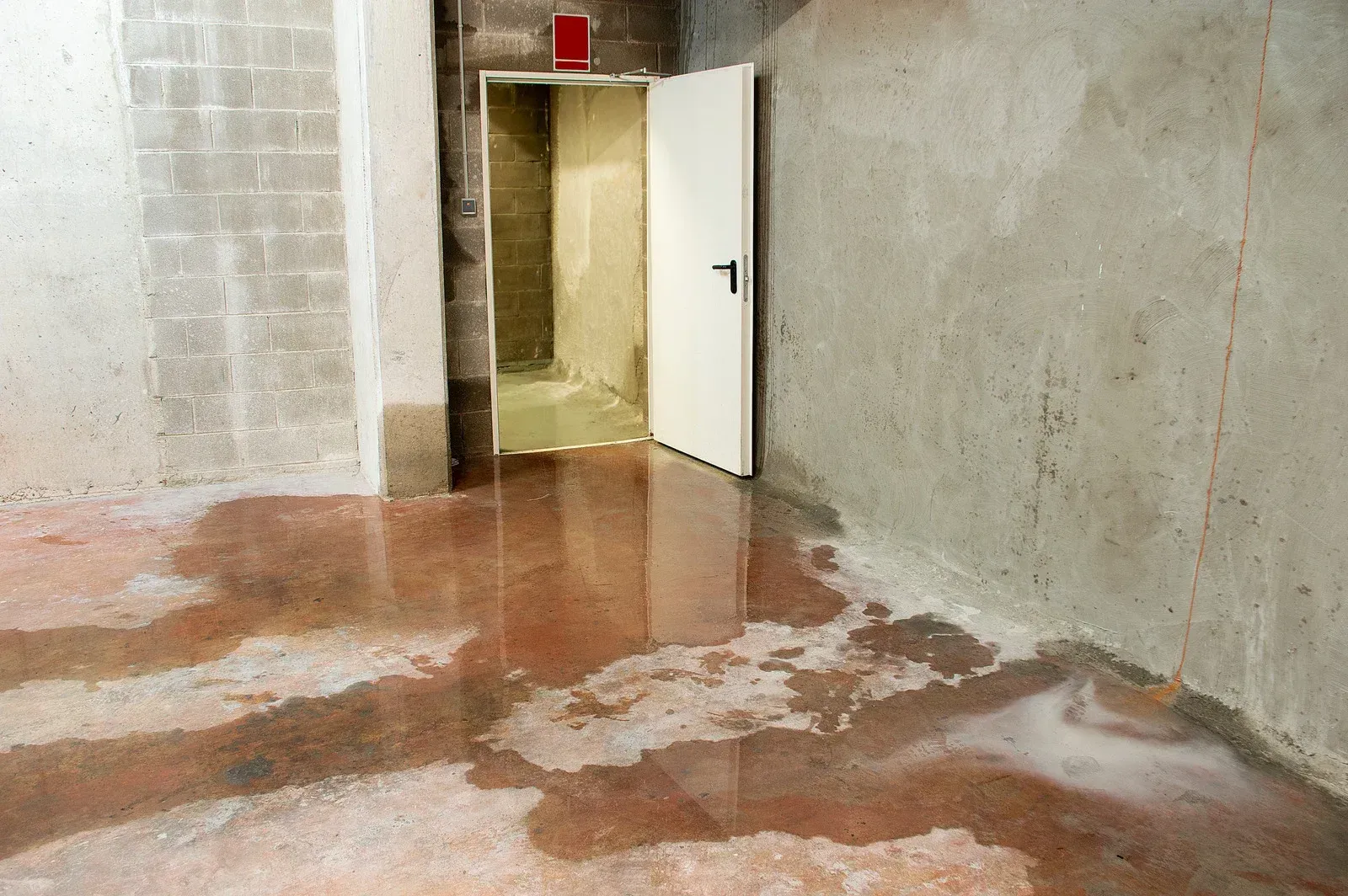
Basement leaks are one of the most persistent and costly problems faced by property owners, often developing silently before becoming visibly damaging. Moisture intrusion can weaken structural integrity, encourage mold growth, and reduce overall property value. In many cases, early warning signs are overlooked until water accumulation becomes severe enough to affect flooring, walls, or stored belongings. Understanding why basement leaks occur is essential for long-term property protection and maintenance planning.
In modern construction and property management, basement waterproofing and moisture control have become critical components of structural health. Climate variations, soil conditions, and aging foundations all contribute to water infiltration risks. Without proper preventive measures, even minor seepage can escalate into significant repair needs. This discussion explores the most common causes of basement leaks and outlines practical, proven strategies to prevent them, helping maintain a dry, stable, and durable foundation environment.
Poor Foundation Drainage Systems
Surface Water Mismanagement Around Structures
One of the leading causes of basement leaks is ineffective drainage around the property. When rainwater is not directed away from the foundation, it accumulates near the base of the structure. Over time, hydrostatic pressure builds against basement walls, forcing moisture through small cracks and porous concrete. Improper grading of soil around the building often worsens this issue, allowing water to flow inward rather than away, especially during consistently heavy seasonal rainfall conditions.
Clogged or Missing Gutters and Downspouts
Gutters and downspouts play a crucial role in diverting rainwater away from the foundation. When these systems become clogged with debris or are improperly installed, water spills directly onto the ground near the basement walls. This constant saturation increases the risk of seepage. Downspouts that discharge too close to the structure are particularly problematic, as they concentrate water exactly where protection is weakest and foundation stress intensifies rapidly over time.
Prevention Strategies for Better Drainage
Effective prevention begins with ensuring proper grading, where the ground slopes away from the structure. Regular cleaning and maintenance of gutters and downspouts also reduces overflow risks. Installing downspout extensions can significantly redirect water farther from the foundation. In high-risk areas, integrating French drains or exterior drainage systems can help manage excess groundwater more efficiently and reduce long-term moisture exposure and structural deterioration risks overall.
Foundation Cracks and Structural Weak Points
Natural Settling and Structural Movement
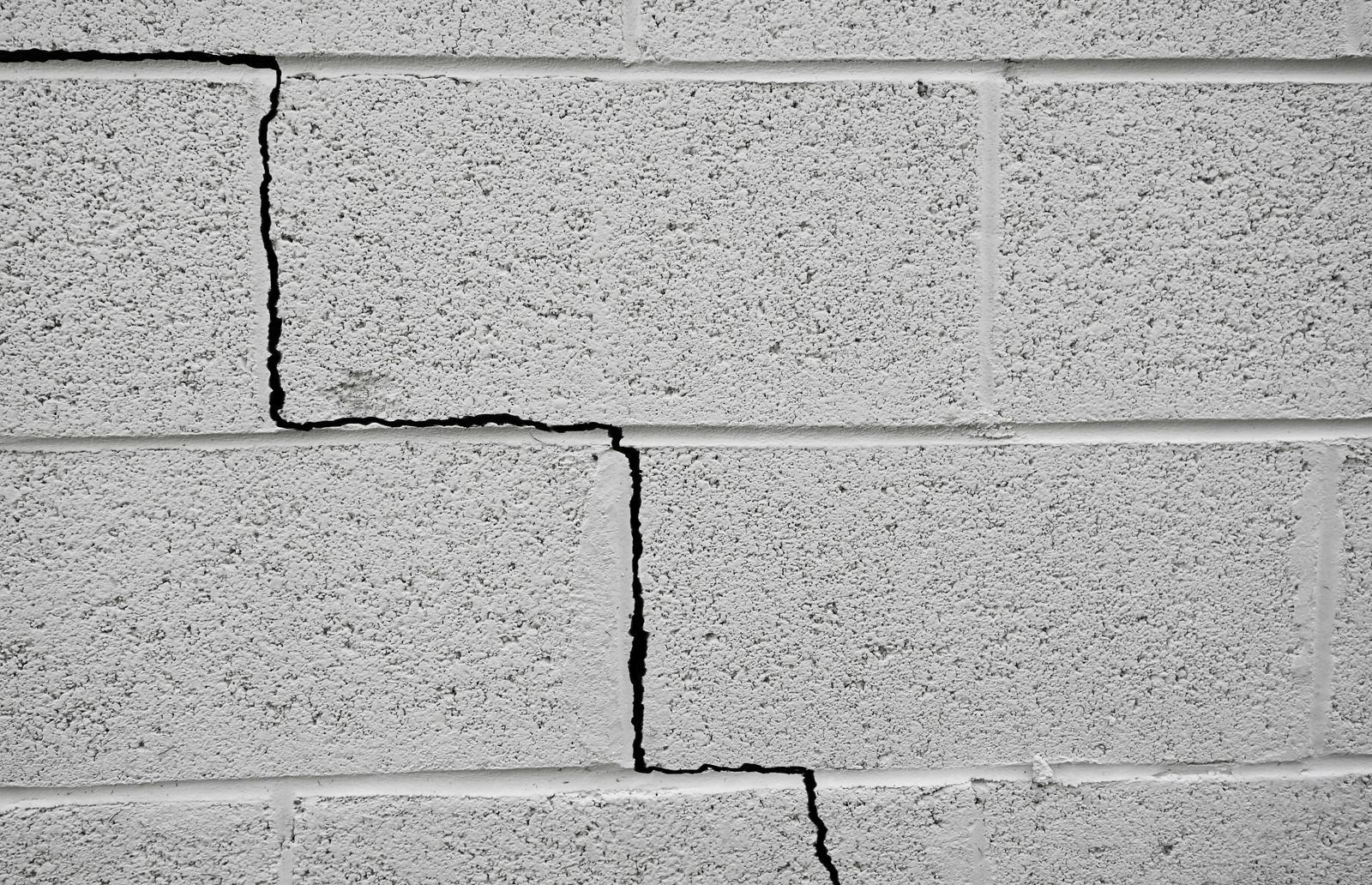
Over time, every building experiences some degree of settling. This natural movement can lead to small cracks in basement walls and floors. While some cracks remain superficial, others deepen and provide direct pathways for water infiltration. Soil expansion and contraction due to seasonal changes further intensify these structural shifts, increasing long-term vulnerability and requiring careful monitoring of foundation integrity throughout changing environmental conditions year after year.
Construction Deficiencies and Material Aging
Poor-quality construction materials or improper curing of concrete can contribute to early cracking. As foundations age, their resistance to moisture decreases, making them more vulnerable to seepage. Even hairline fractures can expand under repeated exposure to water pressure, eventually leading to noticeable leaks and significant structural weakening that demands timely intervention and repair measures to maintain long-term building stability and safety performance overall.
Prevention and Repair Approaches
Addressing foundation cracks early is essential for preventing long-term damage. Epoxy injections and polyurethane sealants are commonly used to seal minor fractures effectively. For larger structural issues, reinforcement or professional stabilization methods may be required. Routine inspections help identify early signs of cracking before they develop into serious leak pathways and costly foundation failures that compromise structural safety and long-term property durability significantly over time.
Hydrostatic Pressure Build-Up
Understanding Groundwater Pressure Dynamics
Hydrostatic pressure occurs when groundwater accumulates around a foundation and exerts force against basement walls and floors. This pressure is especially common in areas with high water tables or heavy clay soil that retains moisture. When pressure exceeds the structural resistance of the foundation, water is pushed through even the smallest openings, creating persistent leakage issues that worsen without proper drainage and mitigation systems in place effectively.
Seasonal Rainfall and Soil Saturation
Heavy rainfall and melting snow can significantly increase soil saturation levels. When the surrounding ground becomes fully saturated, excess water has no place to go and begins exerting pressure on underground structures. This condition often leads to sudden leaks during or after extended periods of rain, especially in poorly drained areas with limited water dispersion capacity and inadequate foundation protection measures in place consistently.
Preventive Waterproofing Measures
Reducing hydrostatic pressure involves both exterior and interior solutions. Exterior waterproof membranes create a protective barrier that limits water penetration. Interior drainage systems, such as sump pumps, help manage water that enters the basement. Installing a properly designed sump pump system ensures continuous water removal, reducing pressure buildup and maintaining a dry basement environment even during extreme weather conditions and prolonged rainfall events overall.
Plumbing Leaks and Internal Water Sources
Aging or Damaged Plumbing Lines
Not all basement leaks originate from outside the structure. Internal plumbing systems can also contribute significantly to moisture problems. Aging pipes, loose connections, or corrosion can lead to slow leaks that go unnoticed for extended periods. These leaks often mimic foundation seepage, making diagnosis more challenging and requiring careful inspection to identify the true source of moisture intrusion within basement environments accurately and efficiently.
Appliance and Fixture Failures
Water heaters, washing machines, and utility sinks, commonly located in basements, can become sources of leakage. Faulty seals, worn hoses, or malfunctioning components may release water gradually, leading to hidden dampness and structural damage over time. These issues often remain unnoticed until significant moisture buildup or visible staining appears on floors and walls, indicating long-term exposure and internal water accumulation problems developing silently.
Detection and Prevention Practices
Regular inspection of plumbing systems is essential for early leak detection. Monitoring water bills for unexpected increases can also indicate hidden leaks. Installing moisture sensors in vulnerable areas provides early alerts. Timely replacement of aging pipes and maintenance of appliances reduces the likelihood of internal water-related damage significantly and helps maintain a dry, safe, and structurally sound basement environment throughout the year consistently.
Poor Waterproofing and Exterior Protection Failures
Inadequate Waterproof Coatings
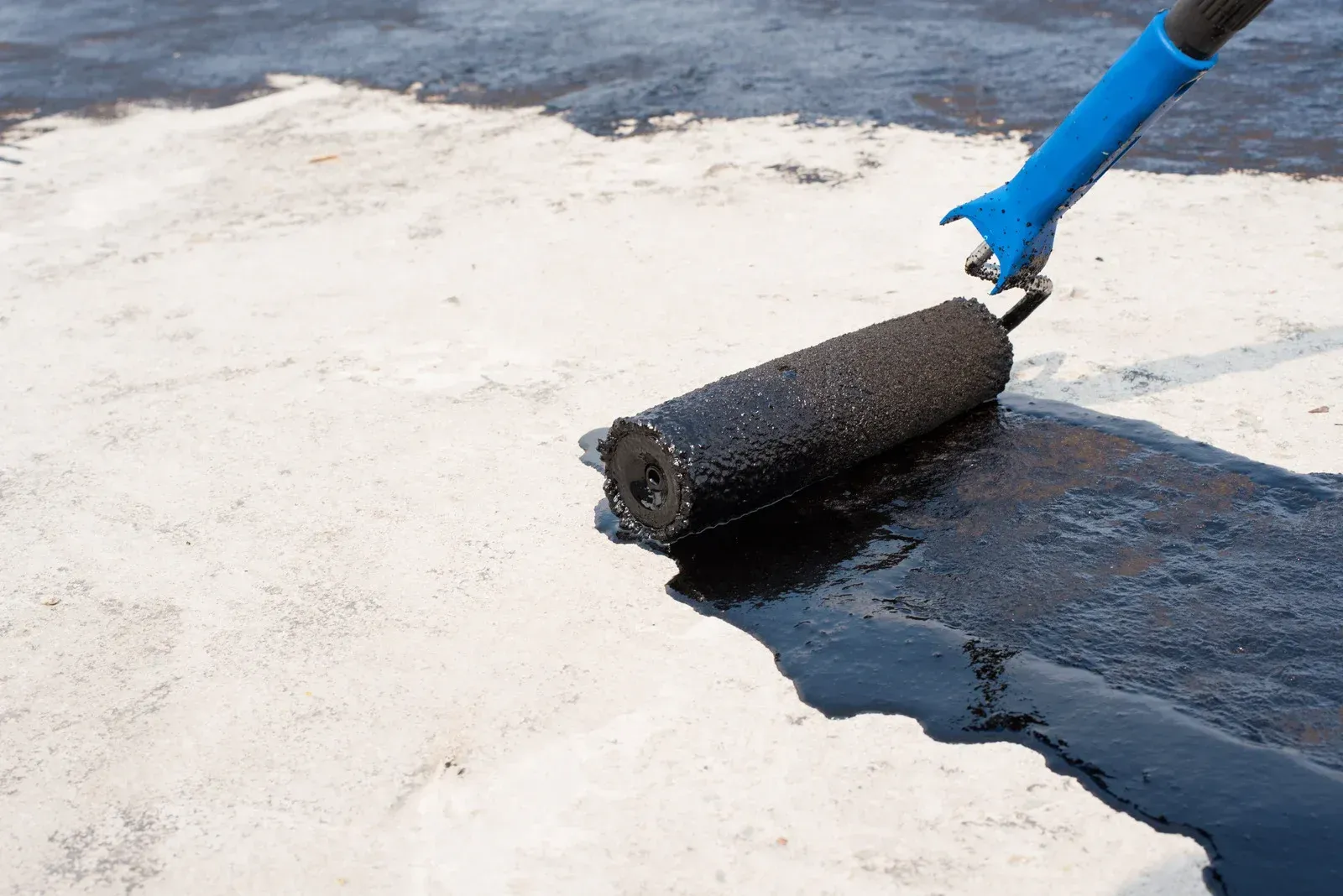
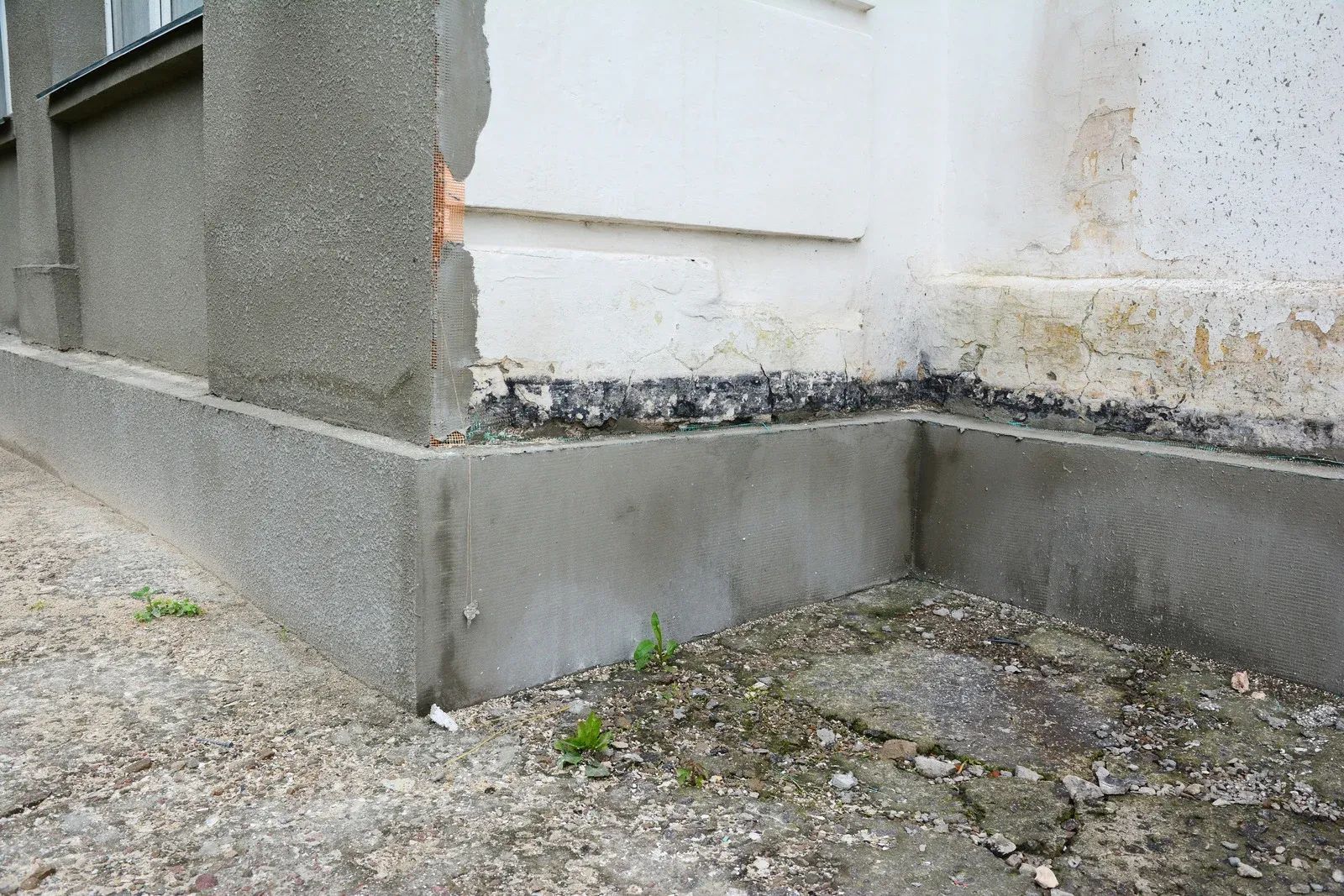
Many older structures lack proper exterior waterproofing layers. Without protective coatings, concrete remains porous and susceptible to water absorption. Over time, repeated exposure to moisture weakens the foundation and increases leak potential, leading to structural deterioration that can escalate into costly repair requirements if not addressed with modern waterproofing solutions and consistent maintenance practices designed for long-term foundation protection overall.
Deterioration of Sealants and Barriers
Even properly installed waterproofing systems degrade over time. Sealants around joints, window wells, and foundation edges may crack or wear down, creating entry points for water. These vulnerabilities often go unnoticed until significant leakage occurs, resulting in hidden structural damage and increased repair complexity that requires professional assessment and restoration to restore full waterproofing efficiency and long-term moisture resistance capabilities effectively.
Strengthening Waterproofing Systems
Enhancing waterproofing performance involves applying modern membrane systems that provide long-lasting protection. Exterior excavation and resealing may be necessary in severe cases. Additionally, installing window well covers and maintaining proper drainage around basement openings helps prevent direct water intrusion and improves overall structural resilience against moisture penetration and long-term environmental exposure risks significantly across varying seasonal weather conditions consistently.
Environmental and Soil-Related Factors
Expansive Soil Behavior
Certain soil types, particularly clay-rich soils, expand when wet and contract when dry. This constant movement places stress on foundation walls, increasing the likelihood of cracks and leaks. Expansive soil conditions are a major contributor to recurring basement moisture issues, requiring ongoing monitoring and specialized construction techniques to reduce structural stress and long-term foundation movement risks effectively across changing seasonal conditions consistently.
High Water Table Conditions
Properties located in areas with naturally high groundwater levels are more prone to basement leaks. In such environments, water pressure remains consistently high against the foundation, even during dry seasons, increasing the risk of seepage and long-term structural exposure to moisture infiltration that demands continuous drainage management and waterproofing strategies for effective foundation protection and durability over extended periods of time.
Long-Term Mitigation Approaches
Managing environmental risks requires a combination of drainage systems and structural reinforcement. Installing perimeter drainage, improving soil grading, and using moisture-resistant construction materials all contribute to long-term stability. In high-risk zones, continuous monitoring systems can help detect changes in groundwater behavior before damage occurs, ensuring proactive maintenance and reducing the likelihood of severe foundation failure and costly structural repairs over time.
Trusted Reliant Foundation Solutions / Basement Waterproofing Basement Leak Prevention Strategies
Basement leaks are the result of multiple interacting factors, including drainage failures, structural weaknesses, hydrostatic pressure, plumbing issues, and environmental conditions. Each cause contributes differently, but all share the potential to compromise foundation stability and indoor safety if left unaddressed. Preventive maintenance, early detection, and proper waterproofing strategies remain essential for maintaining a dry and durable basement environment. Addressing these risks proactively reduces repair costs and preserves structural integrity over time.
Protecting foundations requires a proactive approach grounded in experience and technical precision. With 14 years of hands-on expertise in foundation protection and structural moisture control, Reliant Foundation Solutions / Basement Waterproofing, Columbus, Indiana, focuses on delivering dependable solutions designed to address both immediate leakage concerns and long-term prevention needs. The emphasis remains on durable repair methods, advanced waterproofing techniques, and tailored solutions that match specific soil and environmental conditions. By combining technical knowledge with practical application, dependable results are achieved that enhance both safety and property longevity.