Understanding Wall Ties & Support Systems in Basement Repair
Basement walls are foundational to a home's structural integrity, providing support for the floors above while resisting external soil pressures and moisture intrusion. Over time, however, these walls can experience shifting, bowing, or cracking due to water damage, soil movement, or age-related wear. Addressing these issues is critical not only to maintain the safety and stability of a home but also to preserve its value. Left unattended, even minor wall movement can lead to costly repairs, reduced living space usability, and potential safety hazards. Among the most effective solutions in modern basement repair are wall ties and support systems, which work to stabilize and reinforce compromised walls before damage escalates, offering homeowners a practical path to long-term protection.
Wall ties and support systems are essential tools in the arsenal of foundation repair professionals. They help prevent structural failures, reduce long-term repair costs, and ensure that homeowners avoid more invasive solutions in the future. Understanding how these systems function, their benefits, and the scenarios in which they are most effective is crucial for anyone looking to safeguard their basement walls. From do-it-yourself enthusiasts to homeowners seeking professional guidance, knowledge about wall ties and support systems empowers informed decisions and promotes long-lasting stability for one of the most critical parts of a home. Additionally, proper installation of these systems can enhance the overall value of a property and contribute to a healthier, more durable basement environment for years to come.
How Wall Ties Work: The Basics
What Are Wall Ties?
Wall ties are mechanical connectors designed to stabilize bowing or leaning basement walls. Typically made from steel, they act as reinforcement points that attach the interior wall surface to an anchor system in the soil or foundation. By transferring the lateral pressure from the wall to a more stable point, wall ties reduce movement and prevent further deformation.
Common Types of Wall Ties
- Steel Rod Ties –
These use a threaded steel rod that passes through the wall, anchored on the opposite side with a plate. Tightening the rod helps realign and stabilize the wall gradually.
- Helical Wall Anchors – Installed outside the wall, these anchors screw into stable soil and are connected to the interior wall with a steel plate. They provide a non-invasive way to counteract soil pressure without extensive excavation.
- Carbon Fiber Straps – Lightweight and flexible, carbon fiber straps are bonded directly to the wall with epoxy. They offer strong resistance to bowing without the need for extensive structural hardware.
How They Prevent Further Damage
Wall ties distribute the pressure exerted by soil or water away from the weakened wall. This prevents cracks from widening, walls from bowing further, and, in severe cases, structural collapse. Timely installation can save homeowners significant costs compared to full wall replacement.
Signs You Need Wall Ties or Support Systems
Visible Indicators
- Cracks in the Walls – Vertical, horizontal, or stair-step cracks can indicate shifting or settling.
- Bowing Walls – Curved or leaning walls are a strong indicator of lateral pressure from soil.
- Uneven Floors – Sloping or uneven floors above the basement may result from wall movement.
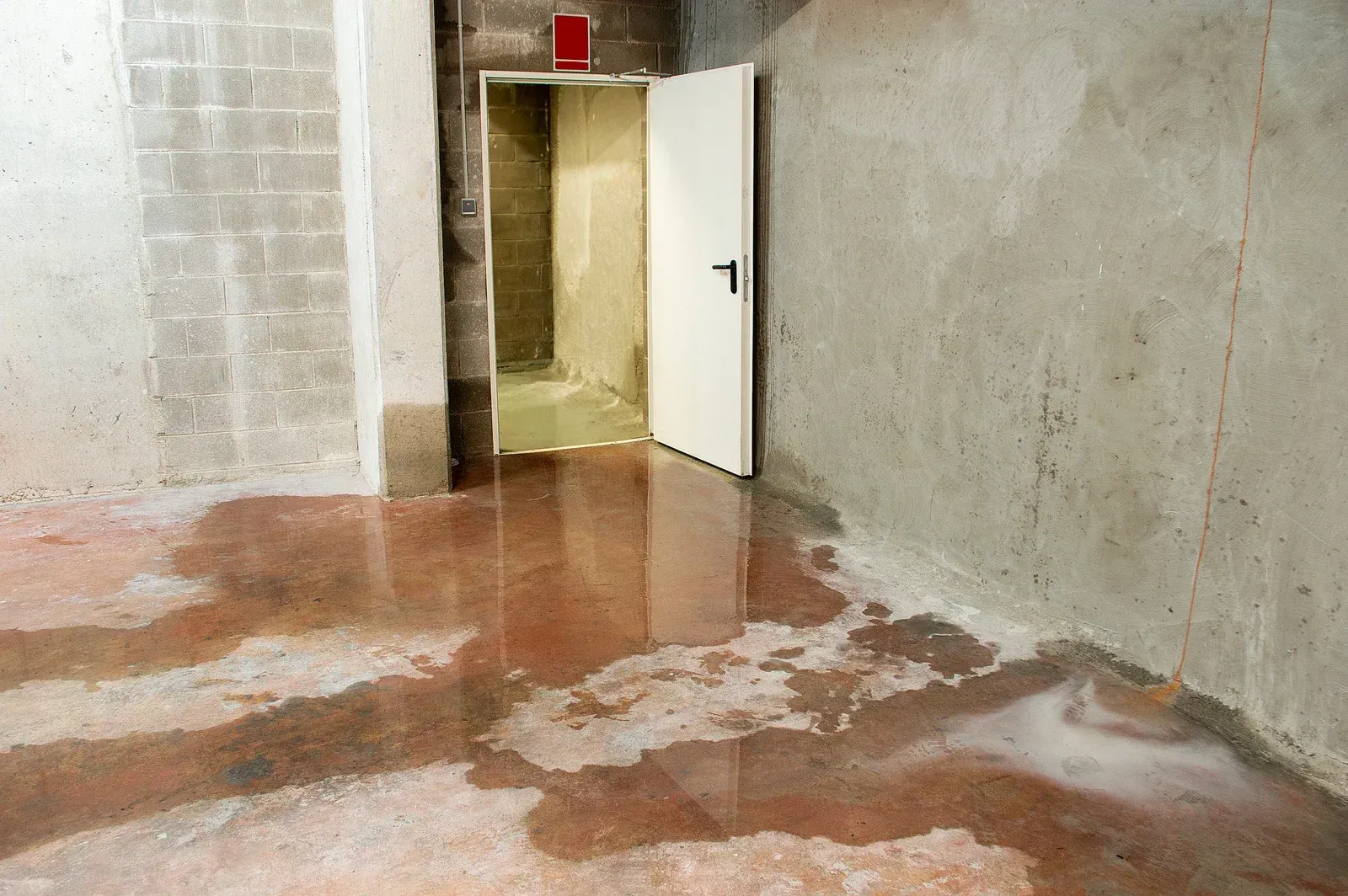
- Moisture Intrusion – Persistent dampness or water seepage can weaken walls, making support necessary.
Real-World Scenarios
Homeowners in areas with clay-heavy soil often see seasonal expansion and contraction that stresses basement walls. Similarly, regions with high water tables experience hydrostatic pressure, leading to bulging or cracked walls. Recognizing these signs early allows for less invasive and more cost-effective repairs.
Challenges of Ignoring the Problem
Failing to install wall ties or support systems can lead to rapid wall deterioration. Structural damage may reach a point where full wall replacement is required, increasing repair costs by several folds. Moreover, moisture penetration can cause mold growth and compromise indoor air quality, further complicating remediation efforts.
Types of Support Systems for Basement Walls
Interior Wall Bracing
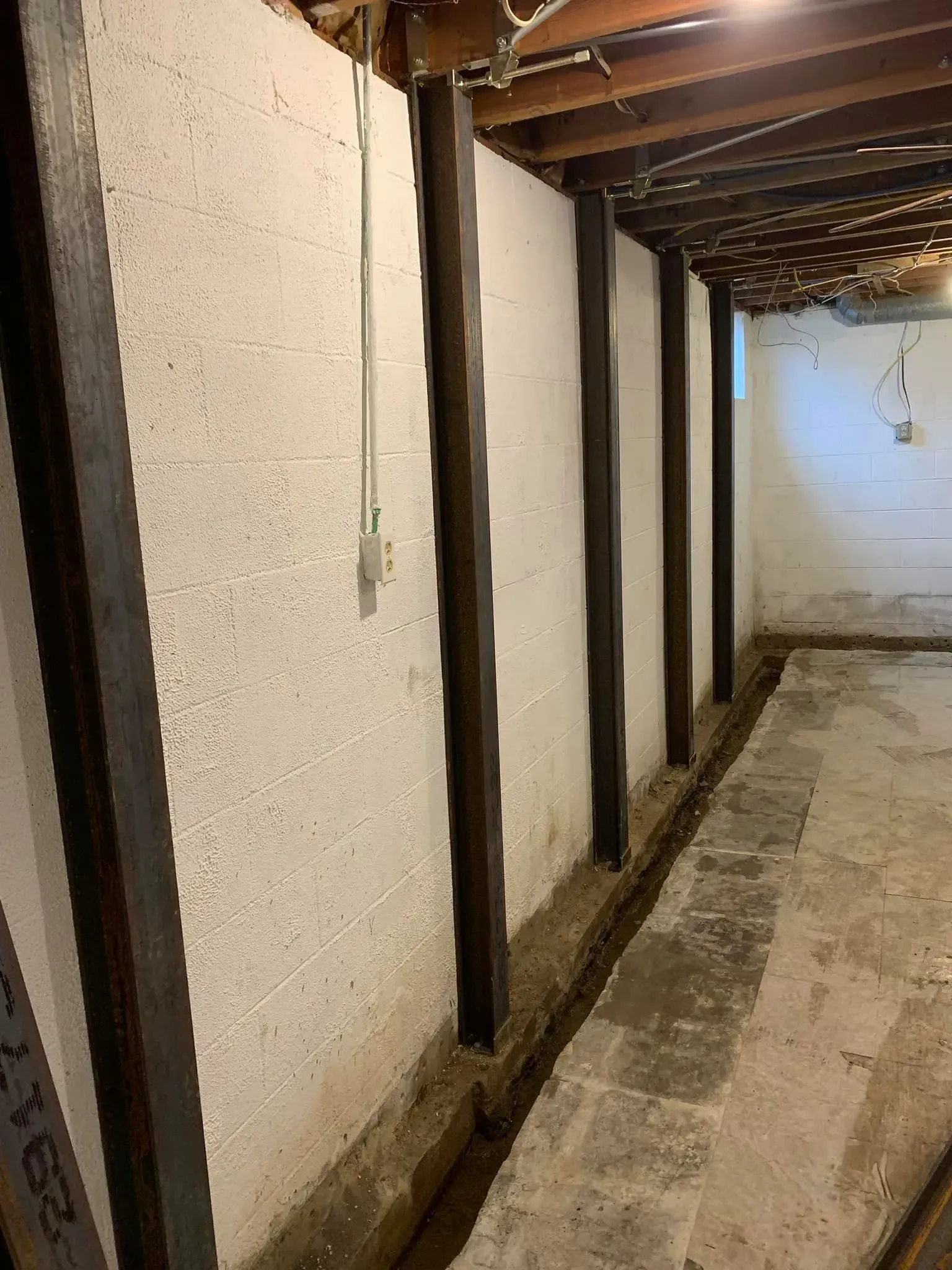
Interior wall bracing systems involve installing steel I-beams or adjustable supports directly against the interior wall. These braces counteract outward pressure and provide immediate stability.
Advantages:
- Quick installation without exterior excavation.
- Adjustable for gradual realignment of walls.
- Often more cost-effective than exterior solutions.
Limitations:
- Takes up interior space.
- Less effective if soil pressure is extreme.
Exterior Anchors
Exterior anchoring involves installing helical anchors into the soil outside the basement wall and connecting them to interior wall plates via steel rods.
Advantages:
- Long-term stabilization.
- Does not occupy interior space.
- Suitable for walls with significant bowing.
Limitations:
- Requires excavation around the exterior.
- Installation may be affected by landscaping or property boundaries.
Carbon Fiber Reinforcement
Carbon fiber straps offer a modern, non-invasive approach. These straps are bonded to the wall with epoxy and reinforced with steel fasteners.
Advantages:
- Minimal disruption to the home.
- Thin, strong, and flexible.
- Ideal for minor bowing or hairline cracks.
Limitations:
- Not suitable for walls with severe movement.
- Requires professional expertise to ensure proper adhesion and load distribution.
Best Practices for Wall Tie Installation
Professional Assessment
A thorough inspection by a qualified foundation repair professional is critical. They will identify the severity of bowing, the type of soil surrounding the home, and the correct wall tie or support system for long-term stability.
Soil Stabilization
In some cases, addressing the soil conditions outside the wall is as important as reinforcing the wall itself. Adding proper drainage systems, such as French drains or sump pumps, can reduce hydrostatic pressure and enhance the effectiveness of wall ties.
Correct Placement
Wall ties should be spaced evenly and strategically along the weakened section. Over-tightening or incorrect placement can stress other areas, so professional expertise is essential to ensure balance and structural integrity.
Maintenance and Monitoring
After installation, regular inspection of wall ties and support systems is advised. Look for signs of shifting, corrosion, or loosening bolts. Addressing minor issues promptly maintains wall stability over time.
Integration With Other Repairs
Wall ties often work best when combined with other repair techniques. For example, cracked mortar joints can be repointed, and exterior waterproofing can be installed to protect the wall from further moisture damage.
Common Challenges and How to Overcome Them
Limited Space for Interior Braces
Some basements have limited clearance, making interior braces difficult to install. Solutions include low-profile braces or carbon fiber straps, which occupy minimal space yet offer strong reinforcement.
Hard-to-Access Exterior Walls
Landscaping, fences, or property setbacks can complicate exterior anchor installation. In such cases, combining interior and exterior solutions or using helical soil anchors can overcome space limitations without compromising stability.
Environmental Factors
Heavy rainfall, frost, or unstable soil can impact wall tie performance. Installing proper drainage, grading the landscape away from the foundation, and using corrosion-resistant materials can address environmental challenges effectively.
Cost Considerations
While wall ties and support systems are a worthwhile investment, upfront costs may be a concern. Obtaining multiple professional quotes and prioritizing urgent repairs ensures budget-conscious solutions without compromising quality.
Trusted Basement Repair Expertise From Reliant Foundation Solutions
Wall ties and support systems are indispensable tools in modern basement repair, providing homeowners with solutions to stabilize bowing, cracked, or shifting walls. By distributing lateral pressure, preventing further structural damage, and reducing moisture intrusion, these systems safeguard both the integrity and value of a home. Understanding the different types of wall ties, from steel rods and helical anchors to carbon fiber straps, helps homeowners make informed decisions tailored to their specific basement issues. Additionally, professional assessment, proper placement, and regular maintenance are essential for long-term effectiveness and durability.
At Reliant Foundation Solutions / Basement Waterproofing, based in Columbus, Indiana, we bring 14 years of experience in providing expert basement repair and wall stabilization services. Our team specializes in assessing foundation issues, recommending the most suitable wall tie and support systems, and ensuring precise, long-lasting installation. We understand the nuances of soil pressure, moisture management, and structural integrity, allowing us to offer solutions that are both effective and minimally disruptive to your home. Our commitment to excellence, professionalism, and customer satisfaction has made us a trusted authority in the industry. Homeowners seeking reliable, proven, and durable basement repair solutions can confidently turn to Reliant Foundation Solutions / Basement Waterproofing for tailored strategies that protect their property and provide lasting stability.