New Construction Foundations: Best Practices for Longevity
February 21, 2026
The foundation of a building is far more than just the initial layer of concrete or masonry—it is the structural backbone upon which the entire property relies. A well-constructed foundation ensures the stability, durability, and safety of the building, while a poorly executed foundation can lead to costly repairs, structural issues, and long-term safety concerns. In the realm of new construction, attention to foundation best practices is crucial, as it sets the stage for decades of reliable performance. Builders, engineers, and homeowners alike must prioritize methods that enhance longevity, mitigate risks, and comply with industry standards.
Understanding the factors that contribute to a strong foundation is essential in today’s construction environment, where soil variability, environmental conditions, and regulatory requirements present unique challenges. From material selection to site preparation and construction techniques, every decision affects the foundation’s integrity. By implementing proven best practices, construction professionals can avoid common pitfalls such as uneven settling, moisture intrusion, and structural cracks. This guide explores actionable strategies and expert insights that ensure new construction foundations remain durable and resilient, ultimately protecting both investment and safety.
1. Site Assessment and Soil Preparation
Conducting Comprehensive Soil Testing
Before breaking ground, thorough soil analysis is paramount. Soil characteristics—such as composition, density, moisture content, and load-bearing capacity—directly influence foundation stability. For instance, clay-rich soils are prone to expansion and contraction, which can lead to uneven settling if not properly addressed. Conversely, sandy or loose soils may require additional reinforcement or compaction. Professional geotechnical testing identifies these conditions early, allowing engineers to design foundations tailored to the site’s unique challenges.
Addressing Soil Stability Issues
Once soil properties are determined, corrective measures may include grading, soil compaction, or the addition of engineered fill. In areas prone to water accumulation, proper drainage systems and moisture barriers prevent soil erosion and hydrostatic pressure against the foundation walls. Implementing these measures before construction begins significantly reduces the risk of long-term structural issues and costly repairs.
Real-World Example
Consider a residential project built on a site with expansive clay soil. Without proper assessment and preparation, the foundation experienced uneven settling, causing cracked walls and misaligned doors. However, by incorporating a pre-construction soil stabilization plan—including compaction and moisture management—the project achieved a stable foundation that has performed reliably for decades.
2. Foundation Design and Material Selection
Choosing the Right Foundation Type
New construction foundations come in various types, each suited to specific soil conditions, load requirements, and building designs. Common options include:
- Slab-on-Grade Foundations: Ideal for areas with stable, well-drained soils. They provide a cost-effective, quick-to-build solution.
- Crawl Space Foundations: Offer access to plumbing and electrical systems but require careful moisture control.
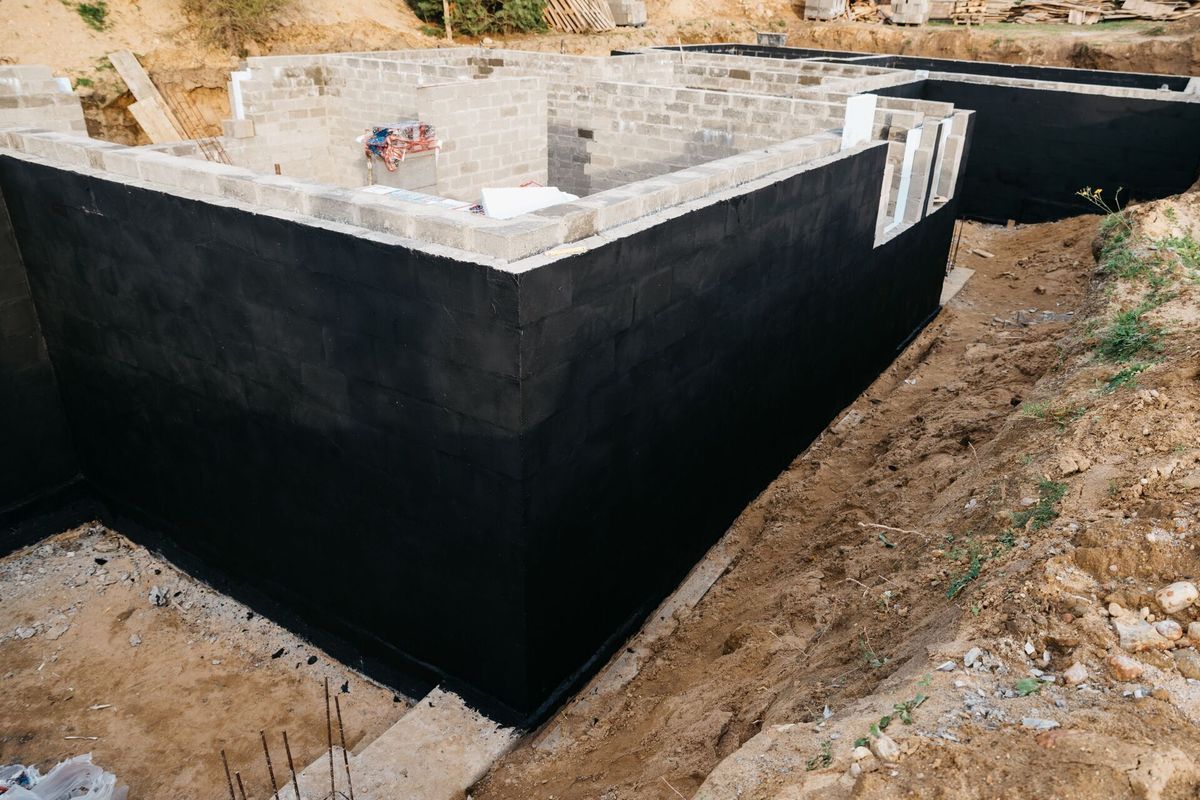
- Basement Foundations: Provide additional living or storage space while requiring extensive excavation and waterproofing.
- Pile or Pier Foundations: Used in weak or expansive soils, transferring loads to deeper, more stable layers.
Selecting the appropriate foundation type involves balancing structural requirements, environmental conditions, and budget considerations.
High-Quality Material Selection
Material durability directly impacts foundation longevity. Reinforced concrete, treated steel rebar, and engineered masonry blocks are industry standards for modern construction. Concrete mixes should meet specific strength ratings, and additives such as water-reducing agents or corrosion inhibitors enhance performance. Additionally, moisture-resistant sealants and damp-proof membranes prevent water infiltration, which is a leading cause of foundation degradation.
Expert Tip
Engage structural engineers during the design phase to ensure material specifications align with soil conditions and anticipated building loads. Using substandard materials or incorrect reinforcement can result in premature cracking, shifting, and costly repairs.
3. Proper Construction Techniques
Accurate Excavation and Formwork
The foundation’s integrity begins with precise excavation and formwork, which are critical to overall structural stability. Excavation must follow design specifications to achieve proper depth, width, and slope for long-term performance. Misaligned, uneven, or poorly measured excavation can lead to foundation instability, settlement, or uneven load distribution. Formwork, the temporary molds used to shape poured concrete, should be strong, level, and properly braced to withstand the full weight and pressure of wet concrete throughout the curing process.
Controlled Concrete Pouring and Curing
Concrete pouring requires careful attention to consistency, placement, and vibration to eliminate voids, air pockets, or weak spots in the foundation. After pouring, proper curing is critical to achieve full strength, durability, and resistance to environmental stresses. Industry best practices recommend curing concrete for at least seven days under controlled conditions for standard residential foundations, ensuring maximum structural integrity and longevity of the foundation over time.
Reinforcement Placement and Quality
Steel reinforcement bars (rebar) add tensile strength and prevent foundation cracking in concrete foundations. Proper placement, accurate spacing, and secure anchoring of rebar are essential to avoid structural weaknesses that can worsen over time. Using corroded, improperly tied, or incorrectly positioned rebar can severely compromise foundation stability, leading to costly repairs and unsafe conditions.
Case Scenario
A commercial project in a high-moisture area clearly demonstrated the importance of controlled concrete curing. Initial cracks appeared within weeks due to rapid drying, creating immediate concerns for structural integrity. By adopting extended curing techniques, such as protective coverings, periodic wetting, and careful environmental monitoring, future foundations maintained exceptional strength and exhibited no cracking or visible damage over a ten-year period, ensuring long-term performance and reliability.
Moisture Management and Drainage
Installing Effective Drainage Systems
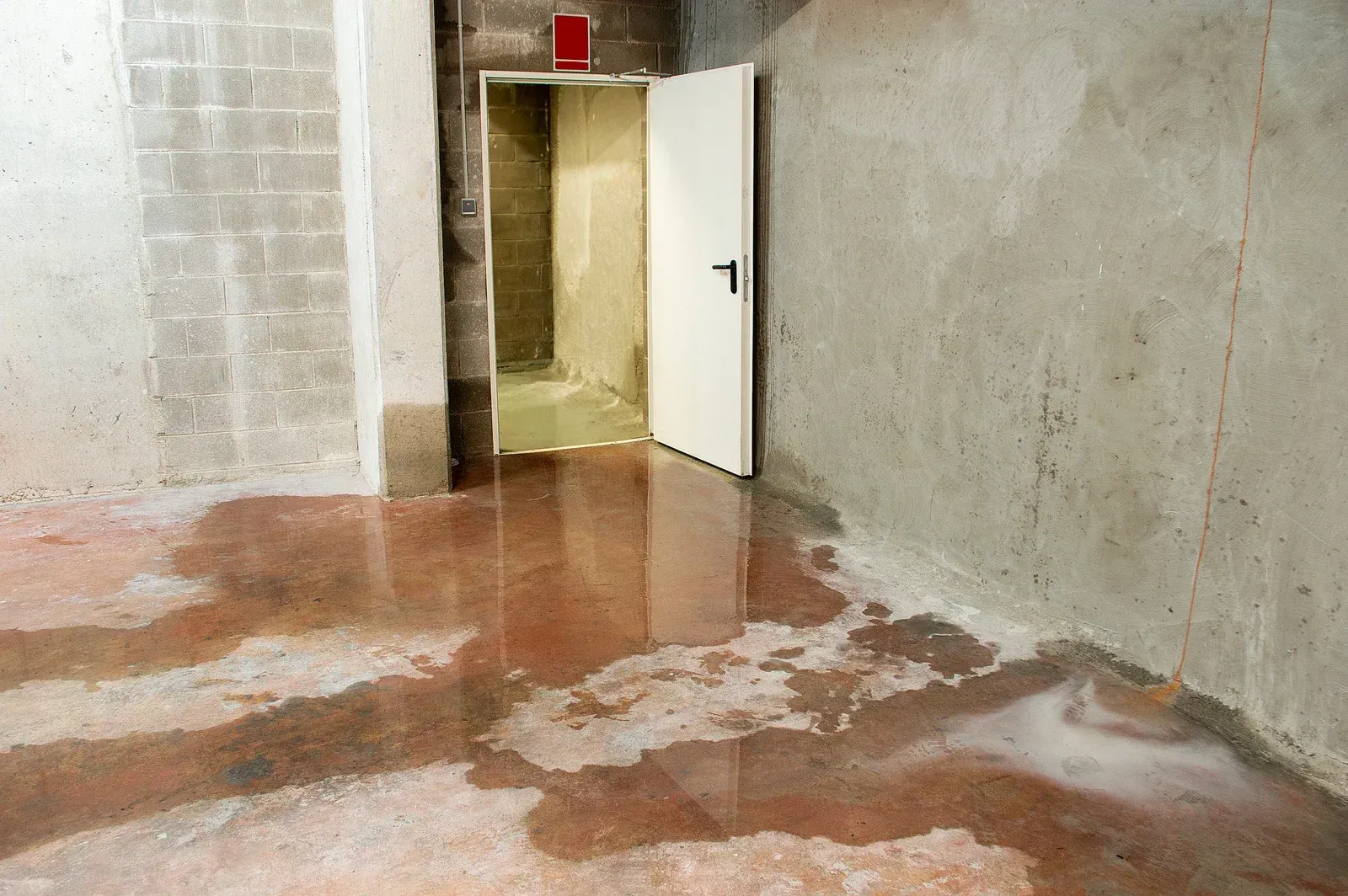
Water is one of the most common and damaging threats to foundation longevity and building safety. Poor drainage leads to soil erosion, hydrostatic pressure, and eventual cracking or structural movement. Installing perimeter drains, such as French drains or footing drains, effectively redirects water away from the foundation, preventing these issues. Proper grading around the property ensures surface water consistently flows away from structural elements, reducing hydrostatic pressure and preventing long-term damage from moisture accumulation near the foundation walls.
Implementing Moisture Barriers and Waterproofing
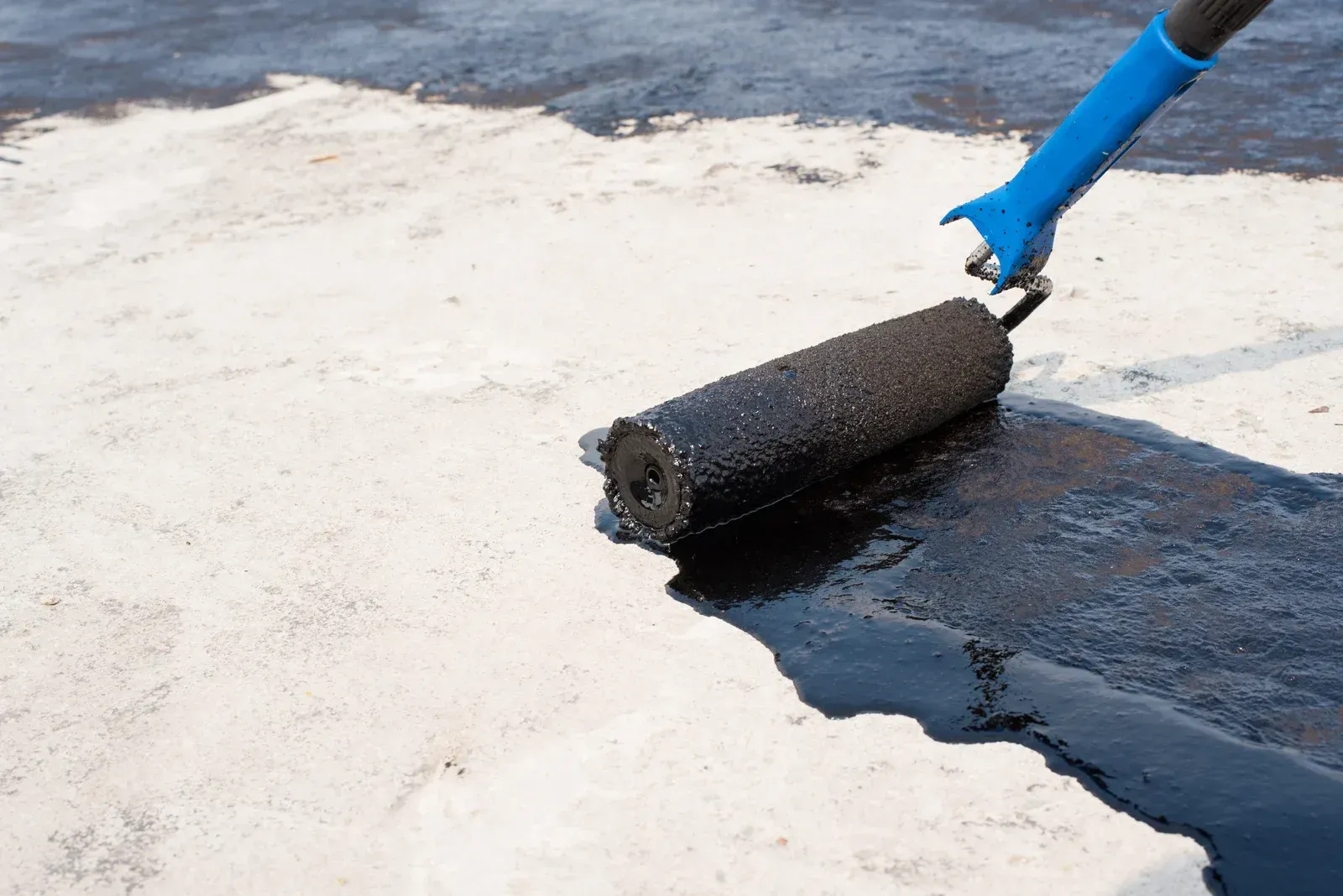
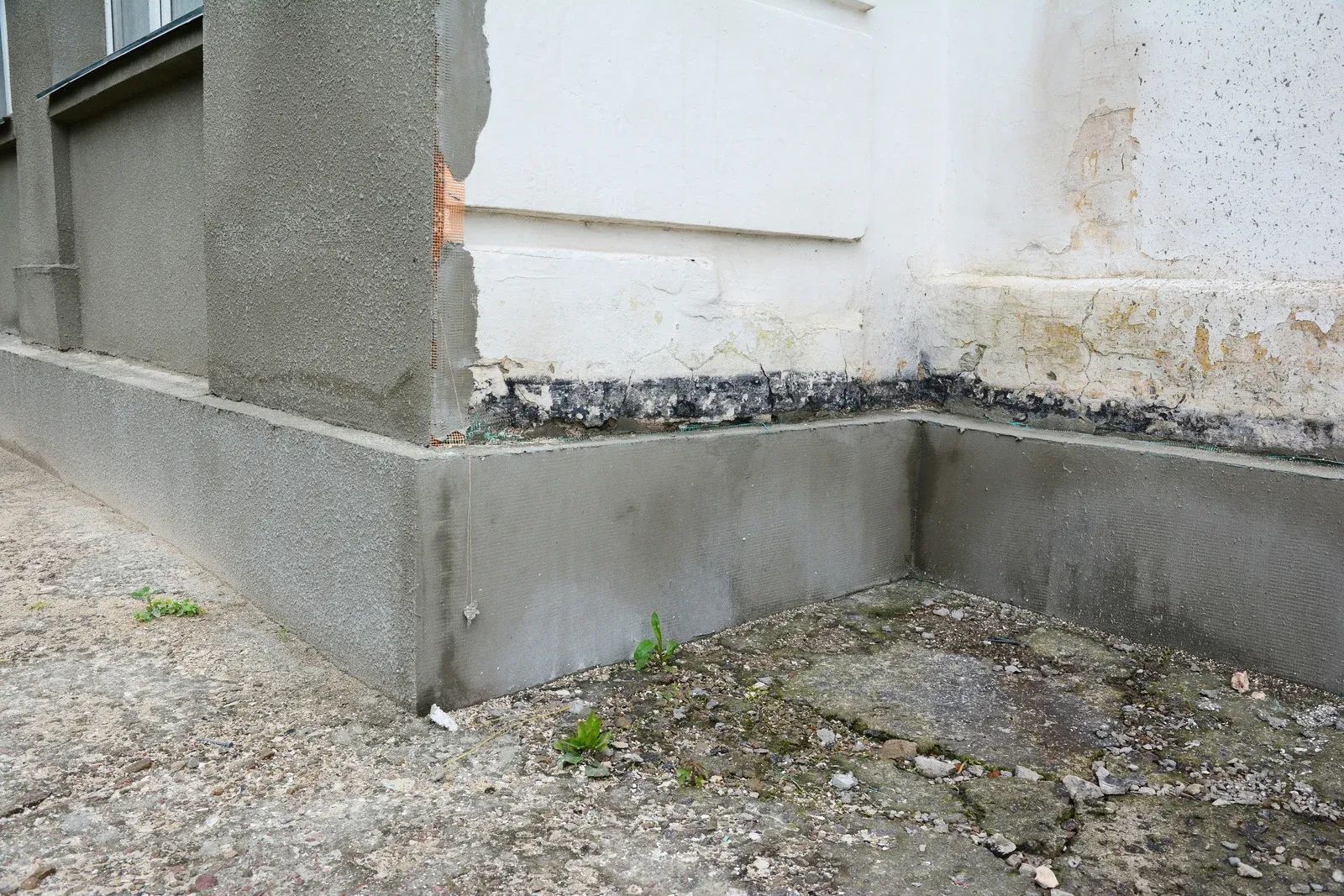
Waterproof membranes, damp-proof coatings, and vapor barriers are essential for protecting foundation walls and slabs from moisture intrusion. For basement foundations or below-grade areas, additional measures such as sump pumps, interior drainage systems, and strategically placed vents further mitigate potential water damage. Moisture-resistant construction materials and high-quality sealants extend the life of foundations and significantly reduce the risk of mold growth, structural weakening, or premature degradation caused by water exposure over the building’s lifespan.
Expert Advice
Regular inspection of gutters, downspouts, and landscaping slopes complements built-in drainage systems and prevents water accumulation near foundation areas. Even a well-designed foundation can suffer damage if water pools due to clogged, misaligned, or poorly maintained drainage components. Maintaining these systems ensures long-term durability, protects the structural integrity of the foundation, and reduces the likelihood of costly repairs or structural remediation in the future.
5. Reinforcing Longevity Through Maintenance
Scheduling Routine Inspections
Foundations, even when properly constructed, greatly benefit from consistent and systematic inspection over time. Homeowners, property managers, and building professionals should monitor for cracks, uneven settling, shifting, or any moisture-related damage that may arise. Early detection allows for corrective measures to be implemented before minor issues escalate into major structural problems. Scheduled inspections preserve long-term foundation stability and minimize potential disruption to building operations, providing peace of mind for property owners and occupants alike.
Implementing Preventative Repairs
Preventative measures may include sealing minor cracks, reinforcing vulnerable areas, or adjusting landscaping to improve soil drainage and stability. Addressing small issues early not only preserves structural integrity but also minimizes long-term repair costs and prevents accelerated wear or deterioration of the foundation over time. Proactive maintenance helps maintain property value and ensures the foundation continues to perform reliably under daily stressors and environmental influences.
Landscaping and Environmental Considerations
Tree roots, heavy landscaping, and soil movement can significantly affect foundation stability if left unmanaged. Maintaining a safe buffer between large trees and foundation walls, managing irrigation systems, and controlling soil compaction are critical for preventing foundation damage. Attention to these environmental factors contributes to long-term resilience, reduces risk of settling, and ensures the structural integrity of the building is preserved for decades without costly intervention.
Real-World Application
In a suburban housing development, property managers implemented a preventive maintenance schedule, including annual inspections, minor foundation repairs, and soil stabilization efforts. This proactive approach successfully prevented settlement issues in multiple homes, reduced repair expenses significantly, and maintained property values while ensuring a safe, reliable living environment for residents. Early intervention strategies proved invaluable for long-term foundation performance.
Reliable Foundation Professionals Committed to Construction Excellence
Constructing a durable foundation requires a combination of thorough planning, expert design, high-quality materials, precise construction, and ongoing maintenance. From soil assessment to moisture management and reinforcement placement, each step significantly influences the longevity and stability of new construction foundations. Implementing best practices ensures that buildings withstand environmental pressures, soil variability, and long-term usage demands, ultimately protecting both investment and occupant safety.
Reliant Foundation Solutions / Basement Waterproofing, based in Columbus, Indiana, brings 14 years of experience to every project, combining technical expertise with a commitment to quality and reliability. Our team specializes in designing and building foundations that stand the test of time, utilizing industry-leading materials, precise construction methods, and proactive maintenance strategies. By partnering with Reliant Foundation Solutions / Basement Waterproofing, property owners gain a trusted authority dedicated to ensuring their investments are secure, structurally sound, and prepared for decades of dependable performance. Our reputation for excellence reflects our unwavering focus on professionalism, precision, and client satisfaction.