The Role of Warranties and Material Quality in Foundation Services
May 26, 2026

A strong foundation is one of the most important structural components of any residential or commercial property. When foundation issues develop, they can affect everything from wall stability and flooring alignment to moisture control and long-term property value. Cracks, uneven settling, and shifting soil conditions often require immediate professional attention to prevent further structural damage. In the foundation repair industry, homeowners and property managers are not only investing in corrective services but also in long-term protection. That is why warranties and material quality play such a significant role in foundation services. These factors directly influence the durability, effectiveness, and reliability of any repair solution applied to a structure.
As the demand for dependable foundation repair continues to grow, property owners are becoming more informed about the importance of high-grade materials and strong warranty coverage. Inferior materials can fail prematurely, leading to repeated repairs and increased costs over time. Likewise, unclear or limited warranties may leave property owners vulnerable if issues return after service completion. Understanding how warranties and material standards impact foundation performance helps property owners make informed decisions and avoid unnecessary risks. A reliable foundation solution should combine proven repair methods, durable materials, and transparent warranty protection for lasting structural stability.
Why Material Quality Matters in Foundation Services
The Connection Between Materials and Structural Stability
Foundation repair depends heavily on the quality of materials used during installation and reinforcement. Every component, from steel piers and concrete mixtures to sealants and drainage systems, contributes to the structural performance of a property. High-quality materials are designed to withstand environmental stress, soil movement, moisture exposure, and seasonal temperature changes. Without durable materials, even properly installed repairs may deteriorate prematurely.
For example, galvanized steel piers often provide greater corrosion resistance compared to untreated steel alternatives. In areas with high moisture levels or shifting soil, this difference can significantly impact the lifespan of a repair system. Similarly, premium concrete blends offer stronger bonding and improved load-bearing capabilities, reducing the risk of future settlement.
Long-Term Cost Savings Through Better Materials
Many property owners focus primarily on upfront repair costs without considering the long-term financial impact of material quality. Lower-cost materials may reduce initial expenses, but they often require additional maintenance or replacement sooner than expected. Investing in durable products can minimize recurring repairs and extend the lifespan of the foundation system.
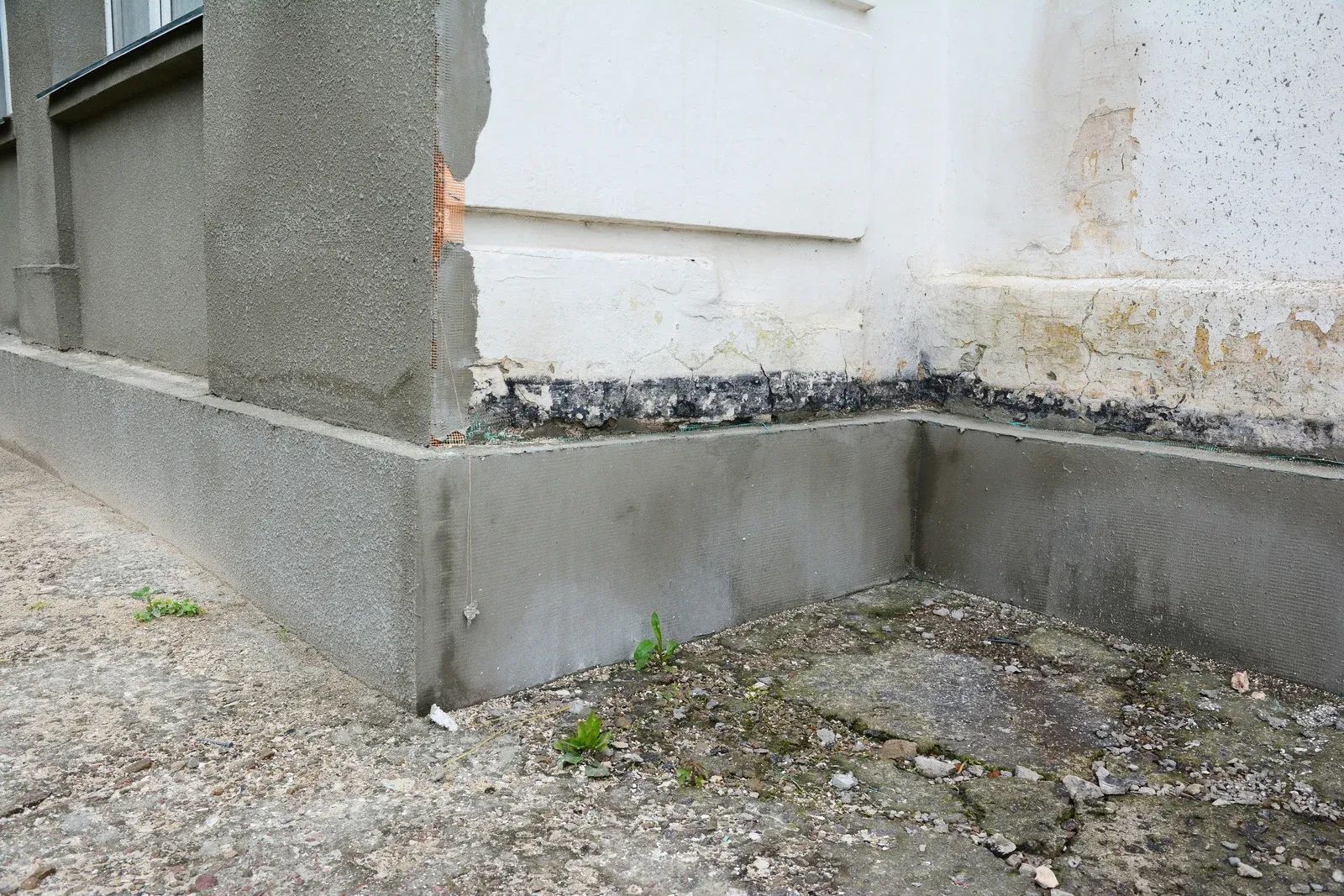
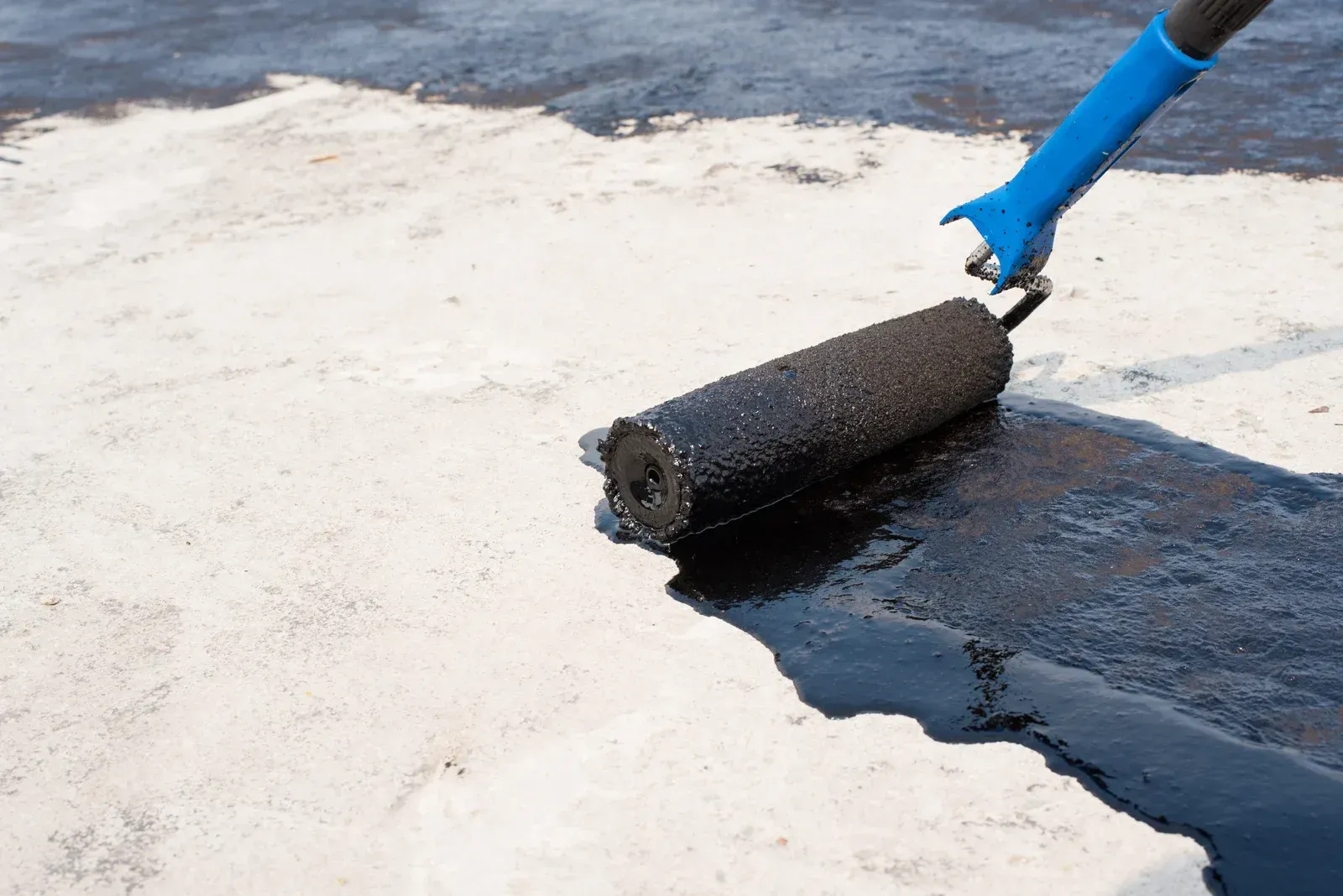
A real-world example can be seen in waterproofing applications. High-performance drainage membranes and moisture barriers typically last much longer than basic alternatives. While premium systems may cost more initially, they can prevent expensive water intrusion and structural damage later.
Performance Under Environmental Stress
Foundations face constant pressure from surrounding soil and environmental conditions. Heavy rainfall, drought cycles, freezing temperatures, and expanding clay soils all affect foundation movement. Materials selected for repair services must be capable of performing under these conditions without weakening over time.
Reliable contractors prioritize engineered materials tested for strength, flexibility, and environmental resistance. This approach improves structural performance while reducing the likelihood of future complications.
Understanding the Importance of Foundation Warranties
What a Foundation Warranty Typically Covers
A foundation warranty provides property owners with protection if repair issues arise after project completion. Coverage can vary depending on the contractor, repair method, and materials used. Common warranty terms may include protection against settlement recurrence, installation defects, or material failure within a specified period.
Comprehensive warranties often demonstrate confidence in workmanship and repair durability. Property owners should carefully review warranty documentation to understand exactly what is included, excluded, and transferable.
Transferable Warranties and Property Value
Transferable warranties can become valuable assets during property sales. Buyers often feel more confident purchasing a home with documented foundation repairs backed by an active warranty. This added assurance may improve resale potential and reduce concerns during inspections.
For example, a homeowner selling a property with a transferable structural warranty may experience smoother negotiations because prospective buyers recognize the protection associated with the repair work. In competitive real estate markets, warranty-backed repairs can provide an additional advantage.
Warning Signs of Weak Warranty Coverage
Not all warranties provide meaningful protection. Some contractors offer limited warranties with extensive exclusions that reduce actual value. Property owners should pay attention to unclear language, unusually short coverage periods, and restrictions that may void the agreement.
Questions worth asking include:
Is the warranty transferable?
Transferable warranties generally offer greater long-term value for homeowners and future buyers.
Does the warranty cover labor and materials?
Some warranties only cover replacement materials while excluding labor expenses.
Are annual inspections required?
Certain warranties require periodic maintenance or inspections to remain valid.
Reviewing these details helps property owners avoid misunderstandings after repair work is completed.
How High-Quality Materials Improve Foundation Repair Results
Better Load Distribution and Structural Support
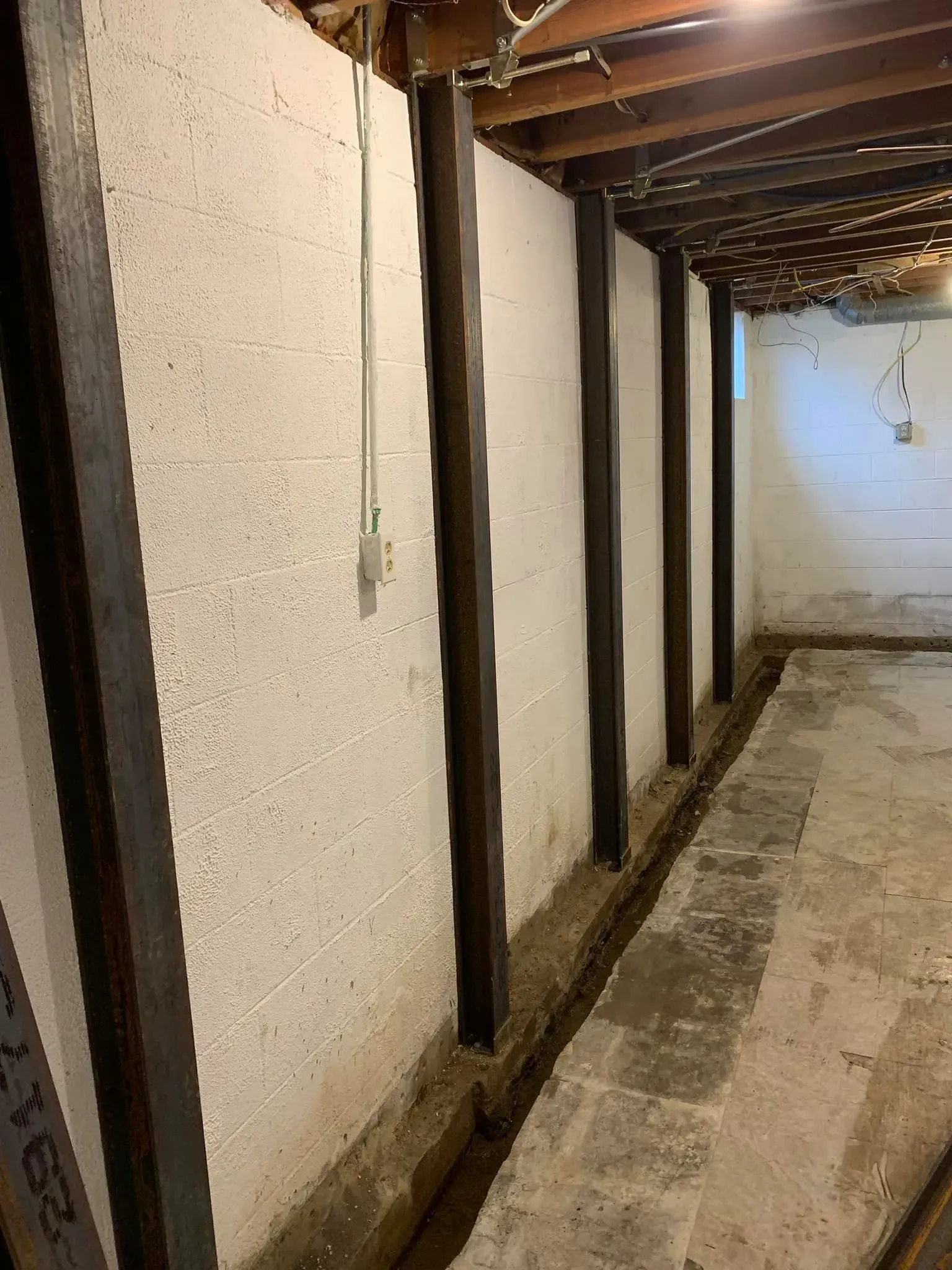
Foundation repair systems are designed to stabilize structures and redistribute weight evenly. The effectiveness of these systems depends largely on the strength and durability of the materials involved. Engineered steel piers, reinforced concrete, and commercial-grade anchors typically provide superior load-bearing support compared to lower-grade alternatives.
For example, hydraulic pier systems made with high-strength steel can reach deeper load-bearing strata beneath unstable soil. This allows structures to achieve improved stabilization and reduced settlement risk.
Increased Resistance to Moisture and Corrosion
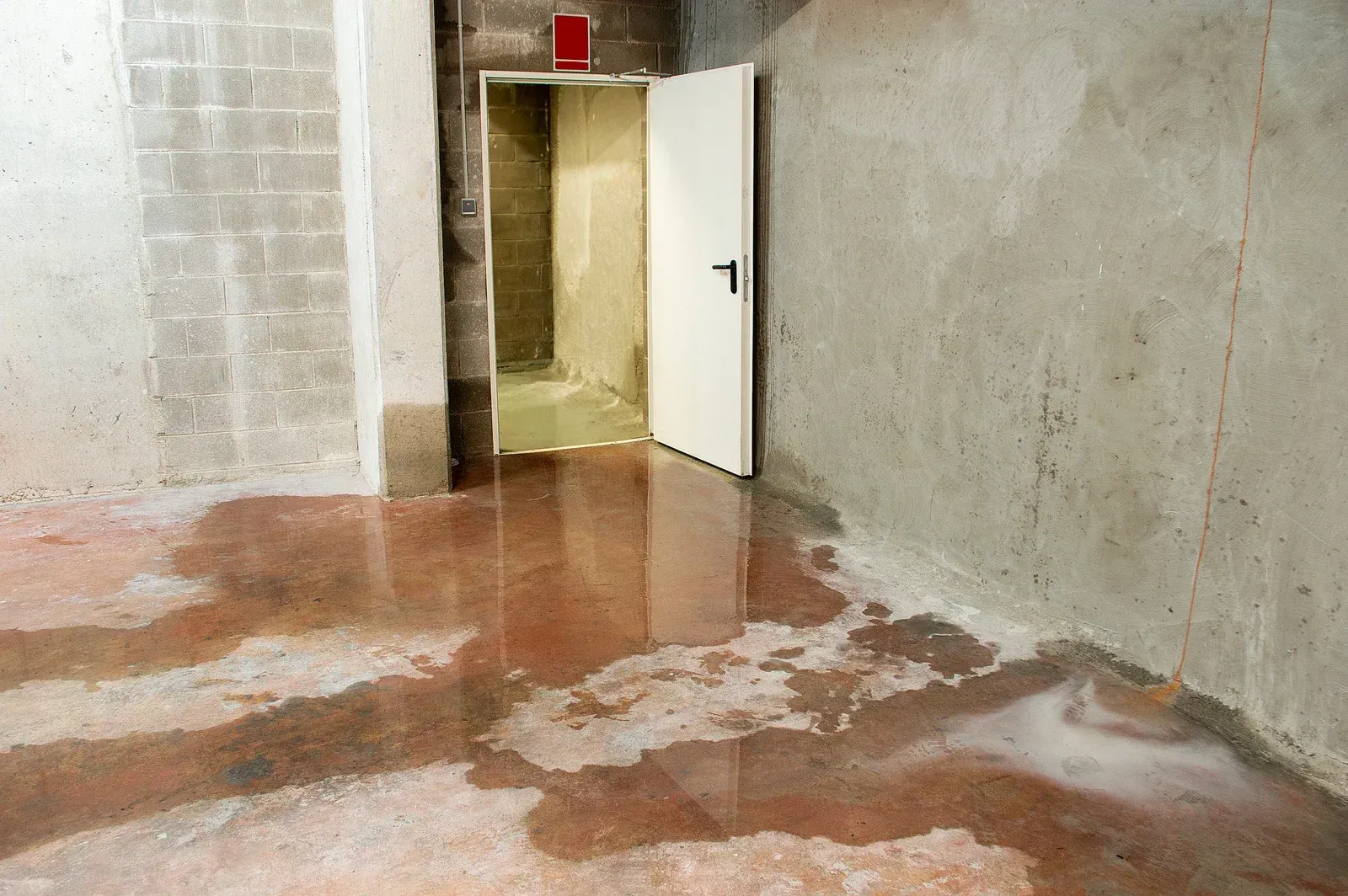
Water exposure is one of the leading causes of foundation deterioration. Moisture can weaken concrete, corrode metal components, and create soil instability beneath structures. Using corrosion-resistant materials helps improve repair longevity and reduces vulnerability to environmental damage.
Protective coatings, treated steel, and advanced waterproofing products all contribute to stronger long-term performance. In regions prone to excessive rainfall or flooding, these materials become especially important.
Enhanced Safety and Compliance Standards
Quality materials also support compliance with building codes and engineering standards across residential and commercial construction projects. Reputable contractors use products tested for structural integrity and safety performance under demanding environmental and load-bearing conditions. This reduces the risk of installation failures and ensures repairs meet industry requirements and municipal inspection expectations successfully.
In commercial foundation projects, code compliance is especially critical because structural deficiencies can create liability concerns, insurance complications, and operational disruptions. Reliable materials help support safer outcomes for property owners, tenants, employees, and building occupants alike over time.
Evaluating Contractors Based on Warranty and Material Standards
Asking the Right Questions Before Hiring
Selecting a foundation contractor requires far more consideration than simply comparing prices between multiple service providers online. Property owners should evaluate how contractors approach materials, warranties, installation procedures, and overall quality assurance standards carefully. Asking detailed questions can reveal whether a contractor prioritizes long-term structural performance or short-term cost savings for faster project completion.
Important questions include:
What materials are used for stabilization systems?
Professional contractors should clearly explain the specifications, durability ratings, and performance benefits of all repair materials used.
Are materials engineered for local soil conditions?
Different soil types require different repair strategies, installation methods, and specialized material selections for maximum structural stability.
How long has the warranty program been in place?
Established warranty programs often indicate operational stability, customer trust, and consistent industry experience over many successful years.
Reviewing Documentation and Certifications
Reliable contractors provide documentation supporting material quality, engineering approvals, and proper installation practices for every completed project. This may include engineering reports, manufacturer certifications, product warranties, inspection records, and compliance verification documents from recognized authorities.
For example, foundation piers manufactured according to recognized engineering standards typically undergo extensive strength and durability testing before installation begins. Documentation helps verify product reliability, installation quality, and adherence to important structural safety requirements.
Comparing Value Instead of Lowest Price
Foundation repairs should always be viewed as long-term structural investments rather than short-term property maintenance expenses alone. Contractors using premium materials, advanced repair systems, and strong warranties may charge higher rates, but these services often deliver greater durability and lower lifetime costs for homeowners.
A lower bid may seem appealing initially, yet poor workmanship or substandard materials can lead to additional repairs, structural instability, and increased expenses later. Evaluating total long-term value helps property owners make more informed financial and structural decisions confidently.
Warranties and material quality are essential factors in determining the success and longevity of foundation repair services. Durable materials help foundations withstand environmental stress, moisture exposure, and shifting soil conditions, while strong warranties provide added confidence and long-term protection for property owners. Together, these elements support structural integrity, reduce future repair risks, and improve overall property value. Choosing foundation services based solely on initial cost can create significant financial and structural challenges later. A balanced approach that prioritizes quality workmanship, engineered materials, and transparent warranty coverage delivers more dependable results over time.
At Reliant Foundation Solutions / Basement Waterproofing
in Columbus, Indiana, we focus on providing reliable foundation services supported by durable materials and trusted repair methods. With 14
years of industry experience, we understand the importance of long-term structural performance and customer confidence. Our approach emphasizes detailed inspections, quality-driven solutions, and dependable warranty protection designed to support lasting stability. We work closely with property owners to address foundation concerns using proven repair systems tailored to specific structural conditions. From stabilization and waterproofing to preventative recommendations, our commitment remains centered on delivering professional service and dependable results. Property owners seeking experienced guidance and lasting foundation protection can rely on our expertise to help safeguard structural investments for years to come.